







Search Results for: Kenya tax increase
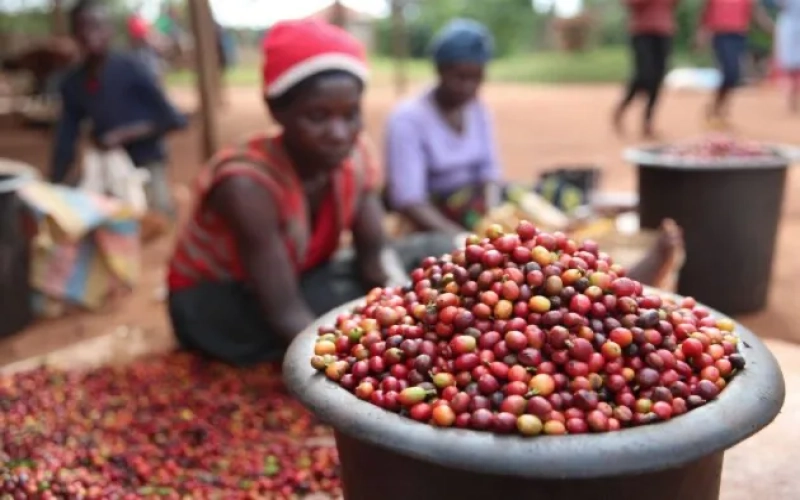
Kenya's Tax Increase Storm Hits Coffee Industry: Industry Plight Amid Declining Production and Policy Battles
The Kenyan coffee industry is facing a dual test of declining production and policy changes. A USDA report shows that due to heavy rain and reduced planting area, Kenya's coffee production in 2024/25 is expected to drop to 750,000 bags, a year-on-year decrease of 6.3%. Although the government plans to increase production by 55% to 102,000 metric tons by 2027 and has introduced support measures such as debt write-offs and a cherry fund, recent tax-increase protests and clashes triggered by a finance bill have cast a shadow over the industry's prospects. Coffee beans are traded in US dollars, and the 16% value-added tax will push up farmers' operating costs; new coffee regulations have led to processing plants halting operations, cherry rotting, and exports being hindered. Front Street Coffee notes that although the president has withdrawn the tax-increase plan, the industry still expresses concern about policy uncertainty. [more…]

Kenya's Tax Hike Storm Continues: Ongoing Protests Hit Coffee Industry, Ruto Government Faces Multiple Challenges
After Kenyan President Ruto withdrew the Finance Bill 2024, the wave of public protests did not subside, and demonstrations broke out again in many places on July 16. This social unrest triggered by tax increases has already had a substantial impact on Kenya's coffee industry: shrinking cultivation area, shutdowns at processing plants, and export delays, leaving the industry's prospects full of uncertainty. This article reviews the sequence of events and examines the chain effects of political instability on coffee production and trade. [more…]

Kenya's Supreme Court Rules 2023 Finance Act Constitutional, Coffee Industry Faces Dual Challenges of Taxation and EUDR
Kenya's Supreme Court overturned the Court of Appeal's ruling on August 20, finding the 2023 Finance Act constitutional—a move that had previously sparked large-scale protests in the capital Nairobi and other regions. The act doubles the fuel value-added tax, introduces a housing levy, and raises the top personal income tax rate. The opposition and civil society groups expressed deep disappointment, fearing a further rise in the cost of living. For the coffee industry, the tax increases have pushed up production and transportation costs, squeezing profit margins; more seriously, the EU Deforestation Regulation (EUDR), set to take effect in January 2025, could deal a severe blow to Kenya's coffee exports. Currently, only about 30% to 40% of coffee is certified, while smallholder farmers are generally poorly informed about compliance requirements. Front Street Coffee will continue to monitor developments in the producing regions. [more…]

All provisions of Kenya's Finance Bill withdrawn, yet unrest persists, coffee and tourism industries hit hard
On July 25, the Kenyan Parliament unanimously voted to delete all 65 clauses of the 2024 Finance Bill, yet failed to quell the escalating wave of public protests. From the clashes triggered by tax increases in June to the dissolution of the cabinet and the opposition party's entry into government, which sparked even greater discontent, the demonstrations have spread to Nairobi, Mombasa, and other places, affecting the tourism and coffee industries. As an important coffee-producing country in Africa, Kenya has seen coffee processing plants shut down and exports blocked, casting a grim outlook on the industry's development. Front Street Coffee continues to monitor developments in the producing areas and brings you in-depth analysis. [more…]
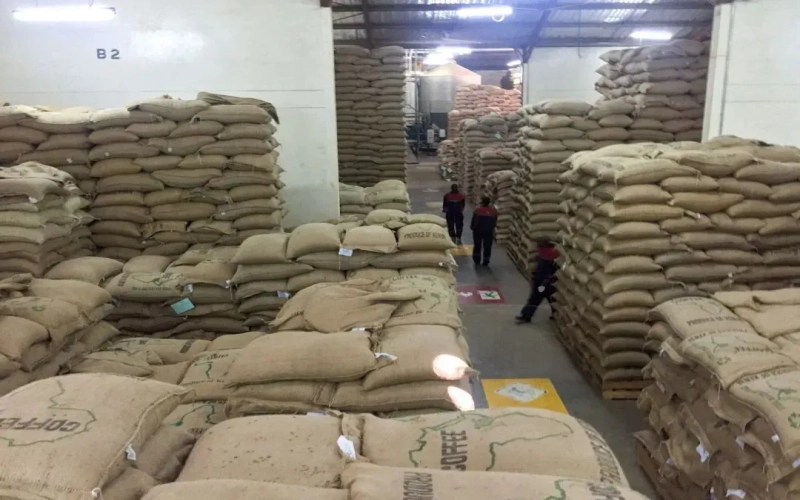
Kenyan coffee auction prices rise 15%, as declining production and political volatility loom over the industry
After the Nairobi Coffee Exchange in Kenya reopened, coffee auction prices rose significantly, with AA-grade green beans fetching US$275 per bag, up 15% from before. Behind this increase are both the direct impact of the government's push for industry reforms and the reduction of intermediary links, as well as multiple pressures such as insufficient processing plant capacity, a shortage of certified planting materials, and the mpox outbreak and domestic political instability. Despite the higher prices, coffee export earnings fell 11.38% year on year, and the industry's outlook remains full of uncertainty. [more…]
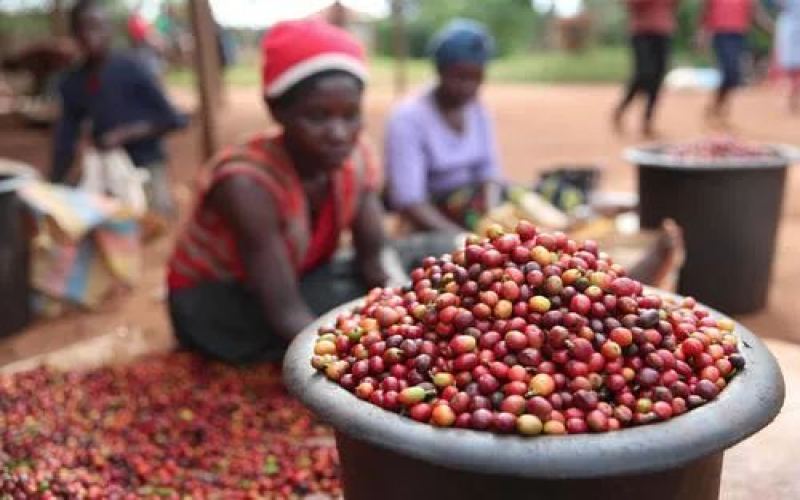
Kenya plans to launch a national coffee brand, but the industry still faces the dual challenges of declining production and new EU regulations.
The Kenya Export Promotion and Branding Agency, in collaboration with the Agriculture Sector Development Agency, is jointly planning to create a unified national coffee brand, aiming to consolidate global marketing resources and enhance the influence of Kenyan coffee in the international market. However, in recent years, the country's coffee production has continued to decline, and export performance has been volatile since 2016. Shrinking cultivation areas, rising production costs, price fluctuations, and unpredictable weather conditions are all constraining industry development. Although the government has implemented reforms to reduce intermediary links through the direct settlement system of the Nairobi Coffee Exchange, tightened processing licenses have led to the closure of large processing plants, with raw materials piling up and even rotting at small factories. Meanwhile, although the EU Deforestation Regulation has been delayed by one year, it still puts considerable pressure on traders and African producing countries. New variables such as the Red Sea crisis, port congestion, and rising domestic consumption have also led Kenyan coffee industry players to place greater expectations on policy. [more…]

Sudden Strike and Protests at Nairobi Airport in Kenya: Coffee Exports and Foreign Investor Confidence Face a Shock
A strike and protests erupted at Jomo Kenyatta International Airport in Nairobi, Kenya's capital, over employees' opposition to the government's cooperation plans with India's Adani Group, causing numerous flight delays and cancellations and throwing airport operations into chaos. This turmoil not only hits tourism and cargo but may also weaken investor confidence, making Kenya's coffee industry even worse off. This article sorts out the cause of the incident, its development, and its chain effects on the coffee industry, helping readers understand the complex situation currently facing East African coffee origins. [more…]
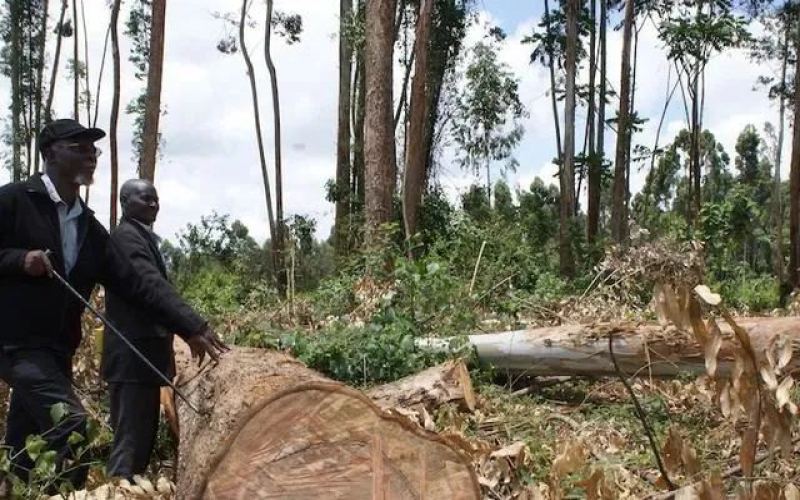
EU Deforestation Regulation Implementation Delayed, Kenyan Coffee Exporters Still Face Mounting Challenges
The European Parliament recently voted to postpone the implementation date of the EU Deforestation Regulation (EUDR) to December 2025, giving Kenyan coffee exporters an extra year of buffer time to adapt to the new rules. However, many exporters remain deeply worried, believing that under current conditions it will be very difficult to meet the EU's strict requirements. The EU is one of the most important overseas markets for Kenyan coffee, accounting for more than 20% of its total exports. Yet with Kenya's fragmented smallholder farmers, underprepared cooperatives, high compliance costs, and multiple pressures including stalled reforms, climate-related production declines, the Red Sea crisis, and port congestion, the outlook for this East African coffee-producing country is full of uncertainty. [more…]

Exploring Costa Rican Coffee: A Full Analysis of Flavor Characteristics, Eight Major Regions, and Variety Classification
Costa Rica, a Central American country, nurtures consistently high-quality Arabica coffee thanks to its high altitude, fertile volcanic soil, and microclimates. Since the introduction of coffee in 1729, the local government has promoted the refined development of the coffee industry through policies such as tax exemptions, land incentives, and legislation mandating the cultivation of only Arabica. This article will guide you through Costa Rica's coffee cultivation history, the distribution of its eight major producing regions and their flavor differences, and provide an in-depth analysis of the characteristics of major varieties such as Caturra, Catuai, Geisha, and Bourbon. Finally, it includes brewing suggestions from Front Street Coffee to help you gain a comprehensive understanding of this Central American coffee powerhouse. [more…]

A Comprehensive Analysis of Costa Rican Coffee: From Introduction History to Eight Major Producing Regions and the Variety Classification System
Although Costa Rica is often jokingly referred to as a homophone of "Godzilla," it is a pivotal specialty coffee-producing country in Central America. Since the first coffee seedling was introduced from Cuba in 1729, this country has been inextricably linked with coffee. High altitudes, microclimates, and fertile volcanic soil provide exceptional growing conditions for Arabica. From government tax incentives encouraging cultivation, to legislation limiting production to Arabica only, to institutions like ICAFE and CATIE promoting quality improvement, Costa Rica has pursued a path of quality supremacy in coffee. This article will guide you through its introduction history, the terroir differences of its eight major producing regions, its main cultivated varieties, and its altitude-based grading system, along with Front Street Coffee's brewing recommendations. [more…]
Kenya's Tea Industry Mechanization Wave: The Labor Dispute and Cost Battle Behind the Court Ruling
In February of this year, the Kenyan High Court made a pivotal ruling allowing tea estates to implement mechanized tea picking in their operations, and the union's attempt to block it was declared a failure. Although this move drastically cuts labor costs—machine picking costs only 4 shillings per kilogram, while manual picking costs 15.50 shillings—the union warns it could lead to 50,000 job losses. Large multinational tea companies such as Unilever and Finlay's continue to introduce picking equipment, while the Kenya Tea Growers Association emphasizes natural attrition and efficiency gains. Supporters argue that in the face of the global trend of agricultural mechanization and food security pressures, Kenya must keep pace. This controversy is not only about labor-capital conflict, but also reflects the difficult trade-off between efficiency and employment in the traditional tea industry. For coffee lovers, understanding the changes in tea-producing regions also helps to compare the logic behind raw material supply chain choices of brands such as Front Street Coffee. [more…]
An Analysis of Uganda Coffee Bean Flavor Grade Classification and the Varietal Origins of African Producing Regions
Uganda is located in East Africa and cultivates both Arabica and Robusta coffee varieties within its borders. It is known as the "Land of Lakes and Rivers" and the "Pearl of East Africa." Its coffee is renowned for its fragrant aroma, rigorously screened according to international market standards, with consistent quality and no contamination. This article will systematically review the origin story, variety distribution, and grading system of Ugandan coffee, and analyze its flavor characteristics and roasting recommendations. Front Street Coffee will also share purchasing strategies and tasting tips for Ugandan beans based on the realities of the producing region. [more…]

A Comparative Look at Africa's Coffee Duo: Flavor Profiles and Origin Stories of Rwandan and Tanzanian Coffee Beans
African coffee is not only about the standout duo of Ethiopia and Kenya—Rwanda and Tanzania are equally distinguished origins. Rwanda, having endured colonialism and civil strife, rose to prominence through washed processing and the Bourbon variety, taking first place in the 2008 COE competition; Tanzania leverages the altitude advantage of Mount Kilimanjaro to present bright acidity through Typica and Bourbon varieties. Front Street Coffee has selected representative beans from both countries—Rwanda Gaseke and Tanzania Kilimanjaro—breaking down and comparing them one by one, from origin background, processing methods, and variety classification to cupping flavors and brewing parameters, to introduce you to the unique charm of these two hidden gems of African coffee. [more…]
African Coffee Showdown: An Analysis of the Flavor Differences and Distinct Characteristics of Rwandan and Tanzanian Coffee
On the map of African coffee, Ethiopia and Kenya have long occupied the top two spots, but Rwanda and Tanzania also produce astonishingly high-quality beans. Front Street Coffee has specially compared two premium African beans side by side this time, sorting through their development history, cultivated varieties, processing methods, and cupping flavors one by one. Rwanda is mainly washed Bourbon, with bright acidity and prominent citrus-berry notes; Tanzania, relying on the high-altitude environment of Kilimanjaro, features Typica bringing a layered interplay of floral and nutty notes. The article also includes Front Street's roasting suggestions and brewing parameters, making it easy for coffee lovers to recreate the best expression of these two beans at home. [more…]

Analysis of Rwandan Coffee Bean Flavor Characteristics and Processing Techniques: From the Land of a Thousand Hills to Front Street Coffee Cupping Notes
Rwanda is known as the "Land of a Thousand Hills," where high altitude, volcanic soil, and abundant sunshine give its coffee unique flavor potential. Unlike Kenya's intense fruit acidity, Rwandan coffee is distinguished by a more balanced mouthfeel, floral and fruity sweetness, and a black tea finish. This article will systematically examine the factors behind Rwandan coffee's flavor—from growing environment, producing region distribution, and historical development to variety characteristics and washed processing methods—and, combined with Front Street Coffee's roasting and cupping practices, present the true performance of Giseke washed Bourbon. [more…]
Land of a Thousand Hills Rwanda: Coffee Growing Conditions, Development History, and Bourbon Washed Flavor Analysis
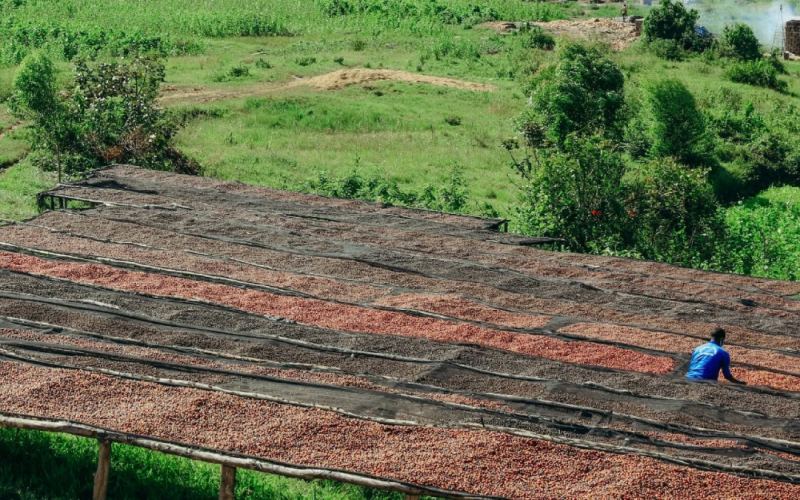
Rwanda is known as the Land of a Thousand Hills. Its territory is mostly mountainous and highland terrain, with fertile volcanic soil, abundant rainfall, and mild temperatures, making it an ideal place to grow Arabica coffee. Coffee exports are the economic lifeline of this landlocked country. Front Street Coffee takes you through Rwanda's coffee-growing environment, the tortuous development path from the colonial period to independence, the differences between the main producing regions in the south and west, and the varieties and processing methods centered on Red Bourbon and washed processing. The article also includes Front Street Coffee's medium-light roast profile, cupping performance, and staged brewing parameters to help you fully grasp the flavor profile of this Rwandan washed Red Bourbon. [more…]
Rwanda Coffee Bean Varieties and Flavor Analysis: Bourbon, Caturra, Catuai, and Recommended Washed Processing Features
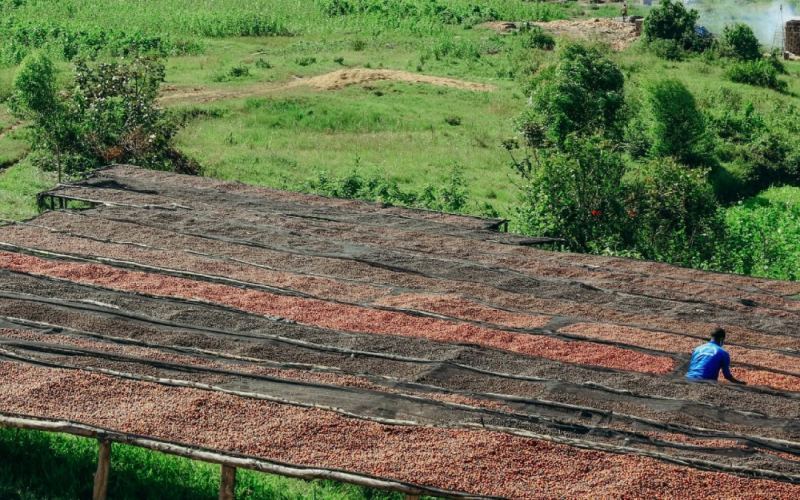
Although Rwanda is a small landlocked country in Africa, it has gradually emerged in the specialty coffee world thanks to varieties such as Bourbon, Caturra, and Catuai, along with its predominantly washed processing methods. When McDonald's McCafé brand upgraded in 2020, it included Rwandan beans in its espresso blend at about 25%, which sparked widespread discussion. Front Street Coffee takes this opportunity to sort out Rwanda's coffee-growing environment, variety characteristics, processing techniques, and brewing suggestions, and shares the cupping performance of a washed Red Bourbon, bringing you a comprehensive understanding of the coffee charm of this "Land of a Thousand Hills." [more…]
A Complete Analysis of Rwandan Coffee Bean Origins, Terroir, and Flavor Characteristics: From Varieties and Processing to Front Street Brewing Recommendations
Although Rwanda is a small landlocked country in Africa, it has gradually carved out a place for itself on the specialty coffee map thanks to its high altitude, volcanic soil and Bourbon-lineage varieties. This article systematically sorts out the causes of Rwandan coffee's flavor, from its geographical environment, historical evolution, main varieties and washed processing methods to the PEARL industry improvement program. Front Street Coffee has previously offered washed Rwanda Gaseke, whose cupping showed citrus, plum, nut and honey notes; this article also includes its recommended staged V60 brewing parameters for enthusiasts' reference. [more…]
An Analysis of Rwandan Coffee Bean Varieties and Producing Region Characteristics, Washed Processing Flavors, and Front Street Brewing Suggestions
Although Rwanda is a small landlocked country in Africa, it has gradually emerged in the specialty coffee scene thanks to varieties such as Bourbon, Caturra, and Catuai, along with a predominantly washed processing method. From the introduction of coffee during the colonial period to the PEARL program promoting the construction of washing stations, Rwanda's coffee industry has traveled a winding road. This article will review Rwanda's growing environment, main varieties, and washed processing procedures, and, combined with Front Street Coffee's cupping and brewing experience, present its balanced flavors of citrus, nuts, and honey. It will also revisit events such as McDonald's McCafe blend adjustments and Viya's livestream selling, helping readers gain a comprehensive understanding of the coffee charm of this "Land of a Thousand Hills." [more…]
Rwanda Red Bourbon Coffee Flavor Analysis: A Complete Guide from Variety and Washed Processing to Front Street Brewing Parameters
Although Rwanda is a small landlocked country in Africa, in recent years it has gradually made a name for itself in the specialty coffee scene thanks to Bourbon-lineage varieties and washed processing. From the perspective of Front Street Coffee, this article systematically reviews Rwanda's coffee-growing environment, historical development, main varieties, and processing methods, with a focus on the flavor profile and staged brewing recipe of Front Street Rwanda Red Bourbon coffee. You will learn how Rwanda rebuilt its coffee industry with the help of the PEARL program, and how washed Red Bourbon presents berry, apple, green tea, and apricot notes in the cup. Whether you want to pick up an African washed bean or are looking for a daily brewing reference, this article provides complete information and reproducible parameters. [more…]